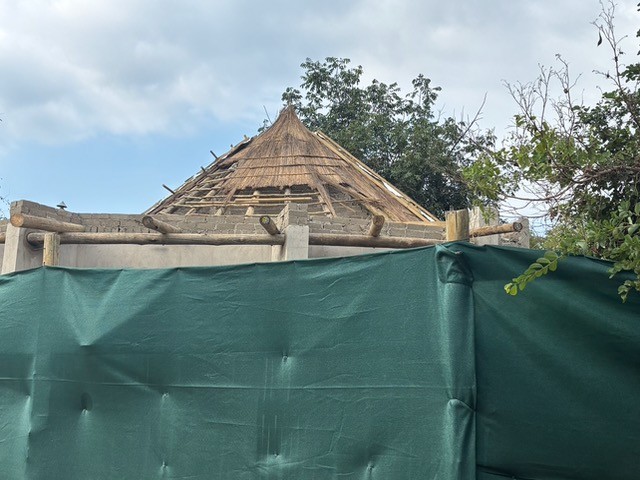
If you have replaced your thatched roof with Harvey tiles, you may feel like you have ticked the safety box. But when it comes to lightning, that assumption could leave your property dangerously exposed.
It is a misconception we encounter time and again across lodges, estates, and commercial properties throughout Southern Africa: the belief that covering or replacing a thatched roof with Harvey tiles removes the need for a dedicated lightning protection system. It does not — and the consequences of that misunderstanding can be severe.
What Does Covering Thatch With Harvey Tiles Actually Involve?
There are two common approaches to this conversion, and neither one provides lightning protection.
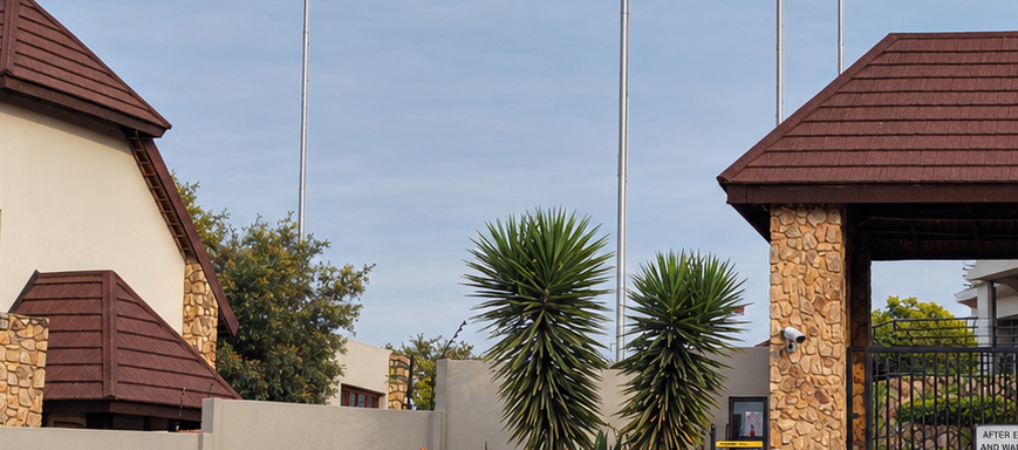
- Full strip-back conversion: The thatch is stripped away to expose the underlying timber framework. Structural members are reinforced or replaced where necessary, battens are fixed, and Harvey tiles are laid over the top. The result is a roof that retains the distinctive pitched shape of the original thatch design — often a steep cone or A-frame — while gaining the fire resistance, weatherproofing, and longevity that Harvey tiles provide.
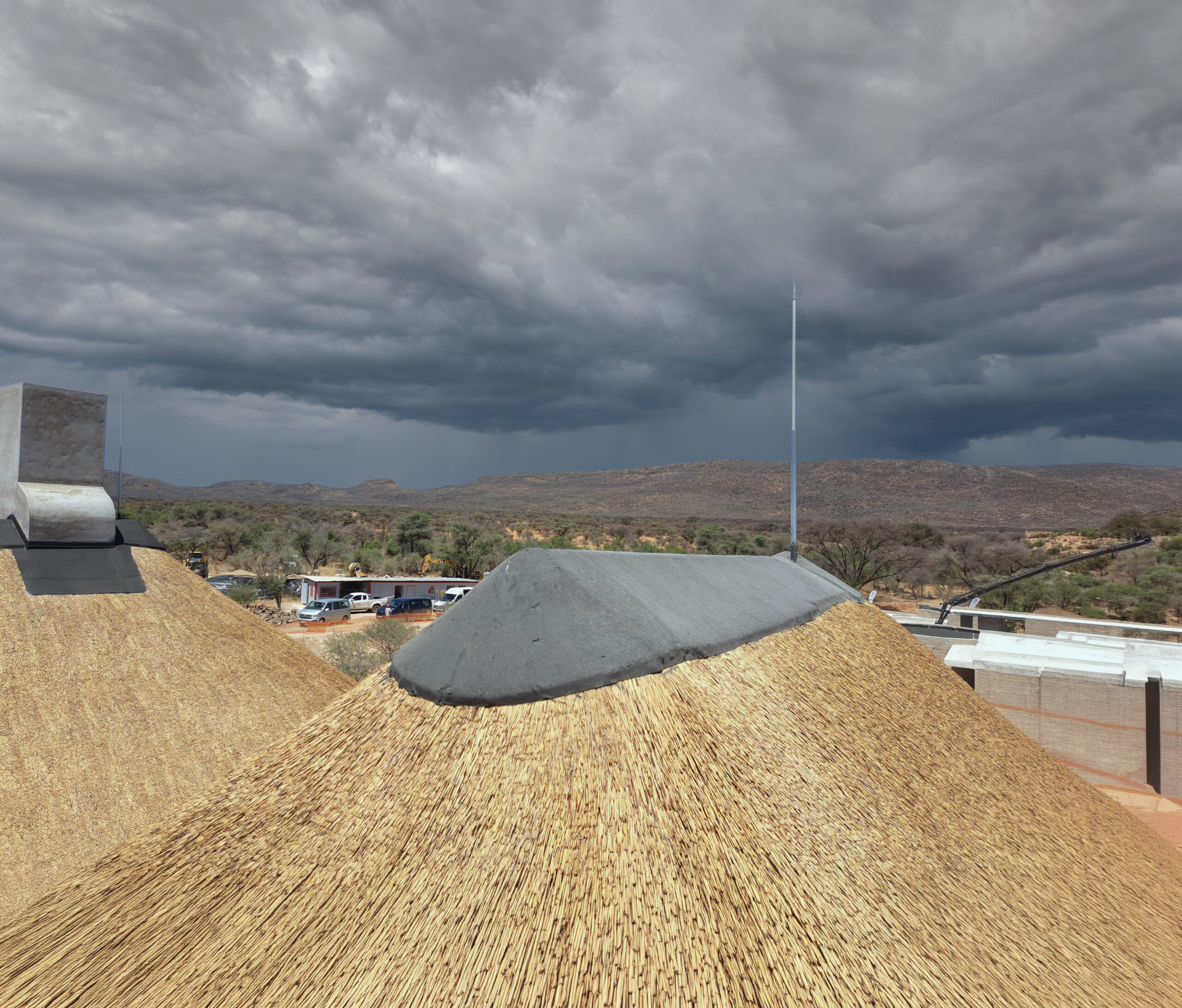
- Tiles fixed directly over existing thatch: In many cases — and this is something we see regularly with our clients — the thatch is left in place and Harvey tiles are fixed directly on top of it. This is a quicker, more cost-effective approach that adds a protective outer layer while keeping the thatch underneath as insulation. The roof looks like a tiled structure from the outside, but beneath those tiles, the original thatch remains.
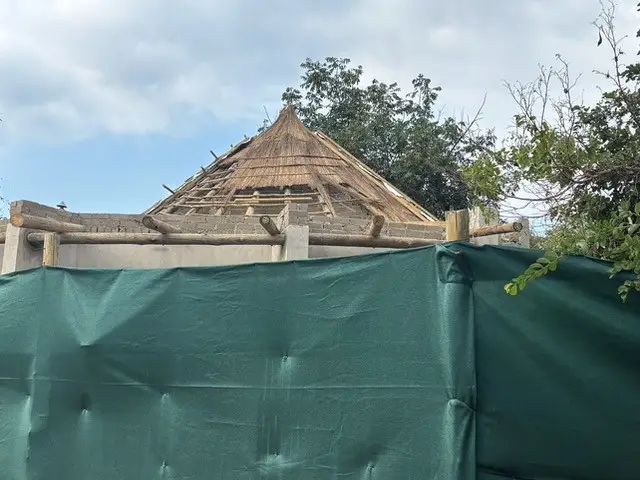
This second method is particularly important to understand from a lightning protection perspective. Not only do the Harvey tiles offer no lightning protection, but the thatch beneath them is still present — and thatch is highly combustible. A lightning strike to an unprotected structure with concealed thatch underneath tiles can ignite that hidden layer, with the fire spreading through the roof space before it is even detected.
Both methods are practical roofing upgrades. But because the work is substantial — scaffolding, structural changes, a complete visual transformation — it is easy to assume you have addressed all your roof-related risks. Lightning, however, is not a roofing risk. It is an electrical risk, and it requires its own dedicated system.
Harvey Tiles Protect Against Weather, Not Lightning
Harvey tiles are an excellent roofing solution. They offer durability, fire resistance, and long-term weatherproofing — all valid reasons to make the switch from thatch. But it is important to understand exactly what that switch achieves and, more critically, what it does not.
Harvey tiles do not:
- Intercept or redirect a lightning strike
- Safely channel fault current away from your structure
- Dissipate electrical energy into the ground
- Meet the requirements of SANS 62305 or IEC lightning protection standards
- Replace the need for a certified earthing and lightning protection system
In short, a roofing upgrade is not a lightning protection upgrade. The two serve entirely different purposes and must be treated as separate systems.
What Genuine Lightning Protection Looks Like
A compliant lightning protection system is a scientifically engineered network designed to capture a strike, conduct it safely to earth, and protect both the structure and everything inside it. At HHK, every system we design and install includes:
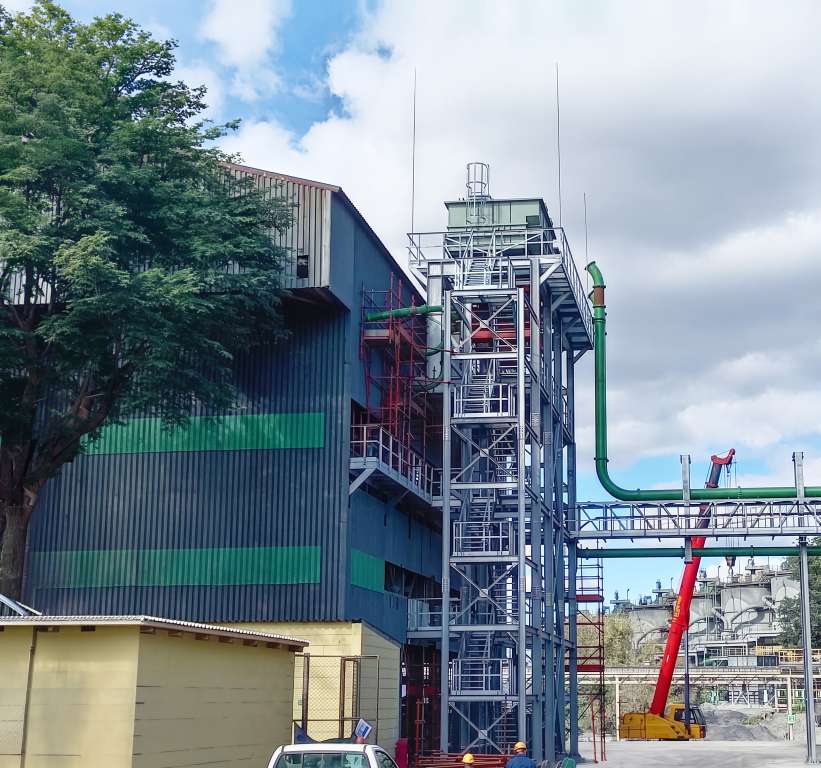
- Air termination network — strategically placed to intercept lightning before it reaches the structure
- Down conductor system — providing a defined, low-resistance path for fault current to travel safely to ground
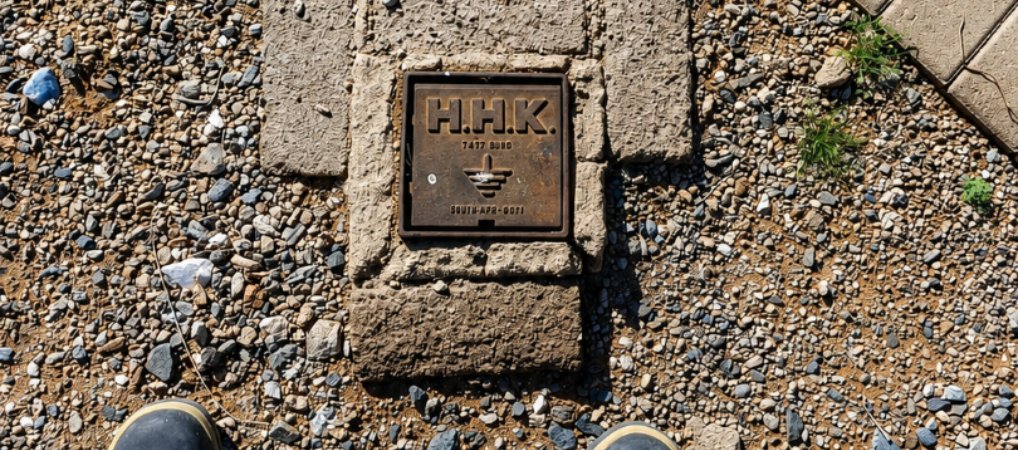
- Earth termination system — engineered from actual soil resistivity survey data to ensure effective energy dissipation into the ground
- Surge protection — safeguarding connected electrical and electronic equipment from transient overvoltages
- Certificate of Compliance — issued to SANS 62305, giving you the legally recognised documentation that your property is protected
Each component works as part of an integrated whole. Remove one, and the system cannot do its job.
Why This Matters for Lodge and Property Owners
Southern Africa’s lightning season — running from October through to April — is among the most intense in the world. Properties with thatched or formerly thatched roofs are often located in rural or semi-rural areas where lightning activity is particularly high.
If your property once had thatch and now has Harvey tiles, the roof may be better protected against fire and rain. But the building itself, the electrical systems inside it, and the people who use it remain just as vulnerable to a direct or nearby lightning strike as they were before.
Without a proper lightning protection system, a single event can cause structural damage, destroy sensitive equipment, trigger fires in concealed roof spaces, and put lives at risk.
The Bottom Line
Replacing thatch with Harvey tiles is a smart roofing decision. But it is not a substitute for lightning protection — and treating it as one creates a false sense of security that could prove costly.
If your property has undergone a roofing change and does not have a certified lightning protection system in place, now is the time to address that gap.
HHK Earthing & Lightning Protection Systems has been designing, installing, and certifying lightning protection solutions across Southern Africa for nearly 50 years. We will assess your property’s risk, engineer a system tailored to your site conditions, and provide the compliance documentation to back it up.
Contact your nearest HHK branch to arrange a site assessment today.