When a single lightning strike can halt production, damage multi-million-rand equipment, or put lives at risk, “good enough” protection simply isn’t good enough.
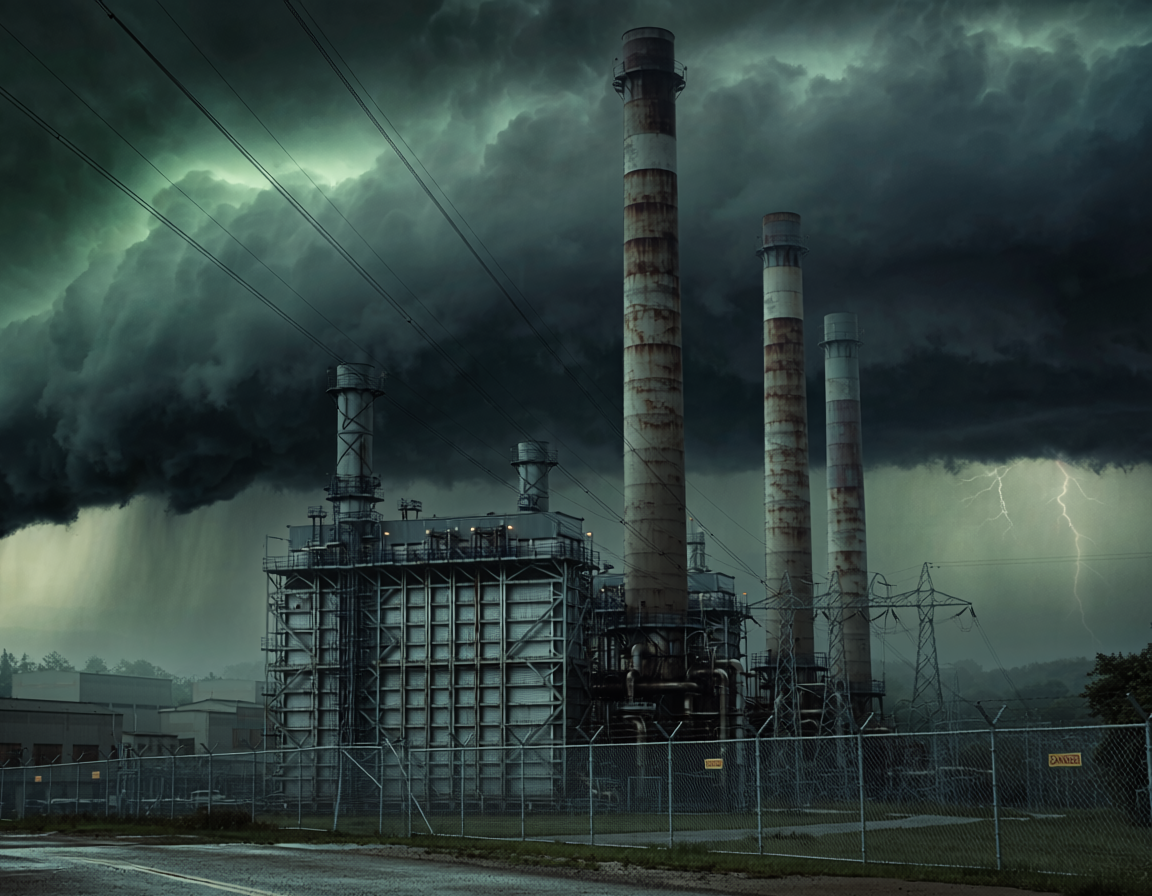
Industrial facilities — mines, manufacturing plants, data centres, refineries, power substations — represent some of the most complex and high-stakes environments in the world. They house sensitive electronics, hazardous materials, critical infrastructure, and hundreds of employees. A direct lightning strike, or even a nearby indirect strike, can trigger fires, explosions, equipment failure, or prolonged downtime that costs far more than any protection system ever would.
So what does genuinely robust lightning protection look like for a large industrial facility? The answer isn’t a single product off a shelf. It’s a scientifically engineered, standards-compliant system — designed for your specific site, your specific risks, and your specific soil.
Why Industrial Facilities Require a Different Approach
A standard residential lightning rod and a lightning protection system for a 50-hectare mine are categorically different things. Industrial facilities present unique challenges:
- Larger footprints mean more exposure to direct strikes and more ground to protect
- Complex structures — tall chimneys, large storage tanks, elevated process equipment — create multiple preferential strike points
- Sensitive electronics and control systems are vulnerable to transient overvoltages caused by lightning several kilometres away
- Hazardous environments (fuel storage, explosive atmospheres, gas pipelines) demand the highest levels of precision and compliance
- High-value assets and operational continuity mean the cost of failure — financial, reputational, and human — is enormous
This is why a proper industrial lightning protection system is never one-size-fits-all. It must be engineered from the ground up, starting with a thorough understanding of the site.
The Components of a Best-in-Class Industrial Lightning Protection System
A comprehensive system for a large industrial facility consists of four integrated layers. Each one is essential. None works effectively in isolation.
-
Air Termination System
This is what most people picture when they think of lightning protection — the network of conductors, rods, and mesh that intercepts a lightning strike before it reaches critical structures.
For industrial facilities, air termination design must account for the full three-dimensional profile of every structure on site. Tall silos, elevated pipework, antenna masts, and storage tanks all require careful analysis. The positioning of air terminals is calculated using the rolling sphere method or mesh method as prescribed by SANS 62305 — the South African National Standard that governs lightning protection design. Done correctly, the air termination system creates a zone of protection over your entire facility. -
Down Conductor System
Once a strike is captured, the energy must be safely conducted to ground — quickly, efficiently, and without creating dangerous side-flashes to adjacent structures or personnel.
Down conductors are the pathways that carry this enormous burst of electrical energy. For large industrial facilities with multiple structures and interconnected systems, the routing and bonding of down conductors requires detailed engineering to ensure the current is distributed safely. All conductive structures, pipework, and metalwork must be bonded into the system to prevent dangerous potential differences. -
Earth Termination System
This is where lightning protection is won or lost — and it is the most frequently underestimated component.
The earth termination system disperses the lightning current safely into the ground. Its effectiveness depends almost entirely on soil resistivity — the electrical resistance of the soil at your specific site. Rocky ground, clay, sandy soil, and mineralised earth all behave very differently.
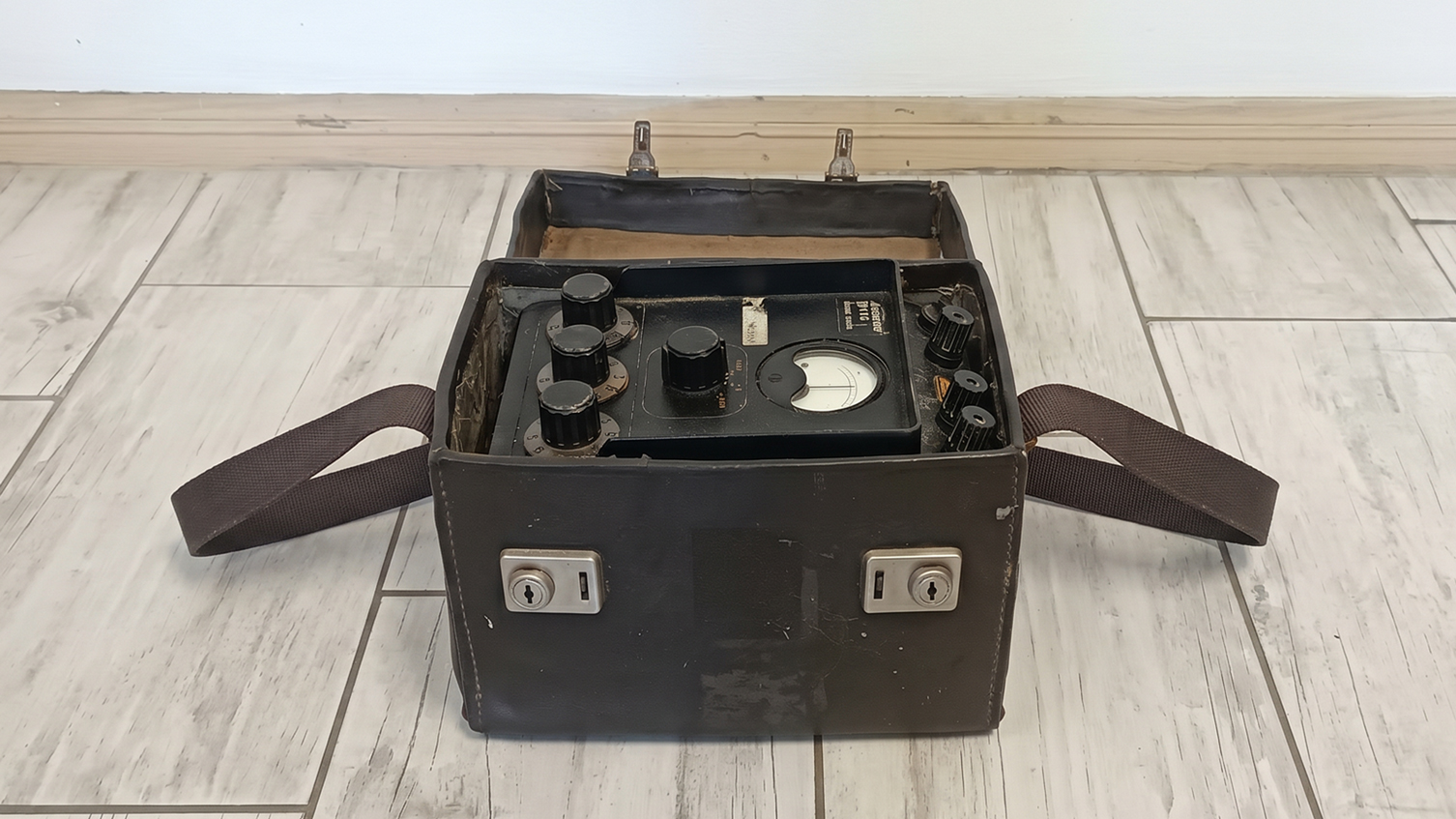
Before any earth termination system is designed, a soil resistivity survey must be conducted. This involves measuring the actual conductivity of the soil at multiple depths and locations across the site. Only then can the correct earthing electrode configuration be specified — whether that’s conventional driven rods, a radial electrode system, a ring electrode, or a combination of methods — to achieve the required resistance to earth.
At HHK, every system we design begins with a soil resistivity survey. It is non-negotiable, because without it, you are guessing — and guessing with industrial infrastructure is not something we are willing to do. -
Surge Protection Devices (SPDs)
A lightning strike doesn’t need to hit your facility directly to cause catastrophic damage. When lightning strikes nearby — a power line, a communications tower, the ground — it induces massive transient overvoltages that travel along electrical cables, data lines, and communication networks straight into your equipment. Surge Protection Devices (SPDs) are installed at strategic points throughout a facility’s electrical infrastructure — at the main switchboard, at distribution boards, and at individual sensitive equipment — to intercept and divert these voltage spikes before they destroy inverters, PLCs, servers, sensors, and instrumentation.
For large industrial facilities, SPD specification must be coordinated with the overall protection system to ensure the correct energy handling capacity at each protection level. This is an engineering exercise, not a product selection exercise.
The Role of Standards and Compliance
In South Africa, lightning protection for industrial facilities is governed by a suite of standards, primarily:
- SANS 62305 (Risk Assessment and Protection of Structures)
- SANS 10313 (Protection Against Lightning — Physical Damage to Structures and Life Hazard)
- SANS 10199 (Earthing of Low Voltage Systems)
- SABS 1063 (Specifications for Lightning Conductors)
Compliance with these standards is not merely administrative — it has direct implications for insurance, legal liability, and the safety of your people. In the event of a lightning-related incident, non-compliant protection systems can result in rejected insurance claims, regulatory penalties, and, most importantly, unnecessary harm.
A Certificate of Compliance (CoC) issued by a qualified and accredited provider is the documentation that confirms your system has been designed, installed, and tested to the required standard. It is your legal assurance — and your peace of mind.
Why a Risk Assessment Comes First
Before any system is designed, a lightning risk assessment should be conducted in accordance with SANS 62305-2. This process quantifies the actual risk to your facility based on:
- The local ground flash density (how many lightning strikes occur per square kilometre per year in your region)
- The physical dimensions of the structures to be protected
- The soil conditions and terrain
- The nature of the operations (explosive, flammable, critical infrastructure)
- The consequence of loss — human, financial, environmental
The risk assessment determines the Lightning Protection Level (LPL) required — from LPL IV (lowest risk) to LPL I (highest risk, typically for facilities handling explosives or highly critical infrastructure). The entire system is then designed to the specifications of that protection level.
Skipping the risk assessment and jumping straight to installation is a shortcut that leaves you exposed — both physically and legally.
Maintenance: The Part Most Facilities Overlook
Even the best-engineered lightning protection system will degrade over time. Corrosion, ground movement, physical damage from construction activities, and changes to structures can all compromise system integrity.
SANS standards require periodic inspection and testing to verify that your system continues to perform to specification. For most industrial facilities, this means annual inspections at minimum, with repeat soil resistivity and earth resistance measurements to confirm the earthing system remains effective.
A system that was installed ten years ago and never tested since may provide a false sense of security. Regular maintenance inspections — and updated Certificates of Compliance — are not optional extras. They are part of the protection.
What to Look for in a Lightning Protection Partner
Choosing the right provider for a large industrial facility is one of the most consequential decisions a facility manager or engineer can make. Here’s what to insist on:
Sole specialisation in lightning and earthing protection — not a generalist electrical contractor that also does lightning as a side service. Your facility deserves dedicated expertise.
Soil resistivity surveys before system design — this is the mark of a scientifically rigorous provider. If a company designs your earthing system without measuring your soil, walk away.
Full adherence to SANS and IEC standards — ask for documentation of compliance methodology, not just a verbal assurance.
In-house design, installation, and certification — end-to-end accountability. When design, installation, and certification are separated between different parties, responsibility becomes fragmented.
Experience with comparable industrial environments — a company that has protected mines, refineries, data centres, and power infrastructure at scale understands the complexity your facility presents.
A valid Certificate of Compliance — issued by an accredited provider, not a self-declared document.
Protecting What Matters Most
The best lightning protection system for your large industrial facility is the one that is precisely engineered for your site — your soil, your structures, your risk profile, and your compliance obligations. It is not the cheapest option. It is not the fastest option. It is the right option: scientifically designed, fully integrated, standards-compliant, and backed by ongoing maintenance and certification.
At HHK Earthing & Lightning Protection Systems, we have spent nearly 50 years doing exactly this — for mines, data centres, banking infrastructure, power utilities, and commercial facilities across Southern Africa and Namibia. With eight branches, more than 100 specialists, and a founding role in ELPA (the Earthing and Lightning Protection Association), we bring the depth of expertise and scale of operations that industrial protection demands.
We don’t guess. We measure. We engineer. We certify.
If your facility hasn’t had a lightning risk assessment recently — or if you’re building something new and need to get it right from the ground up — we’d welcome the conversation.