Lightning protection is non-negotiable in South Africa — but for property owners with thatch roofs, game lodges, upmarket estates, or architecturally sensitive buildings, the traditional approach has always come with a significant drawback: it looks terrible. Tall steel masts rising above your roofline, heavy conductors running down your walls, and excavated trenches carving through your landscaping.
There is a better way. HVC — High Voltage Conductor — lightning protection offers the same certified level of protection as conventional systems, without the visual intrusion, the groundwork, or the inflated cost. For the right property, it is simply the smarter solution.
What Is HVC Lightning Protection?
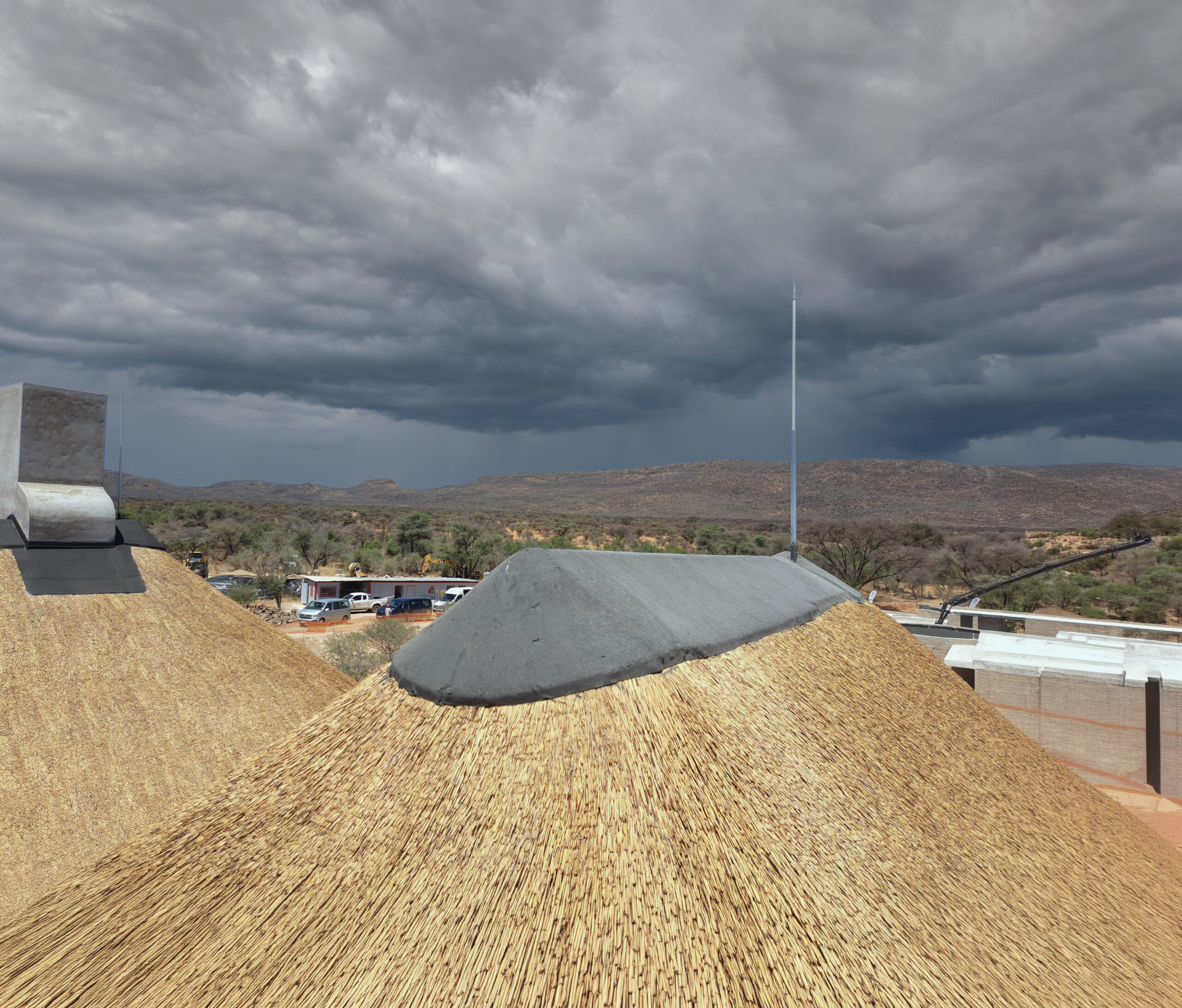
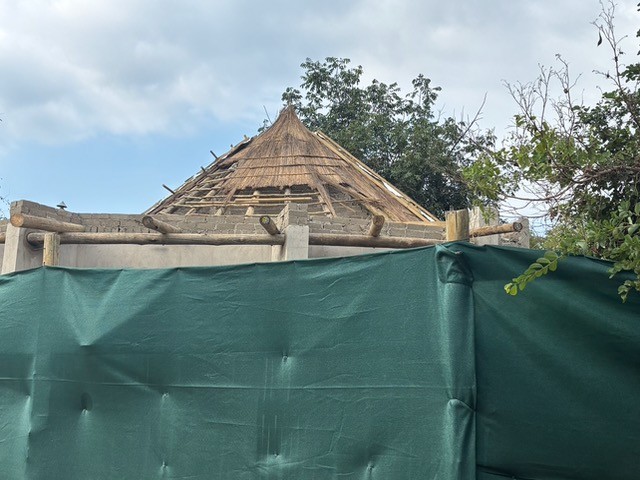
HVC (High Voltage Conductor) is a purpose-engineered lightning protection system designed to follow the natural contours of a building rather than dominate them. Instead of relying on tall air termination masts or bulky conventional infrastructure, the HVC system routes its conductors along the surface of the roof itself — including thatch — making it an ideal solution where standard systems would compromise appearance, integrity, or budget.
It is particularly well suited to:
- Thatch roof properties — residential homes, lodges, and farmsteads
- Game reserves and eco-lodges where aesthetics and environmental sensitivity matter
- Upmarket residential estates with strict architectural guidelines
- Heritage buildings where structural intervention must be minimised
- Developers and architects seeking a clean, compliant solution without visible hardware
The system is fully compliant with SANS standards and delivers the same certified protection as any conventional lightning protection installation — just delivered far more elegantly.
The Problem With Traditional Lightning Protection on Thatch Roofs
To understand why HVC matters, it helps to understand what conventional lightning protection for a thatch roof typically requires.
Because thatch is highly combustible, the conventional approach demands a significant stand-off between any lightning strike point and the roof surface itself. This is achieved through tall air termination masts — structures that must extend several metres above the roofline to create the protective cone of coverage required by SANS 62305.
The result is a set of tall, visible masts anchored into or around the building, connected by conductors running down the facade, and an earthing system that almost always requires excavation into the surrounding grounds.
For a game lodge in the Lowveld or a thatched wine estate in the Cape Winelands, this is not just an aesthetic inconvenience — it is a compromise of the property’s identity and value. Architects, developers, and estate managers have long had to accept it as an unfortunate necessity.
HVC changes that equation entirely.
Five Reasons to Choose HVC for Your Property
1. It Blends Into Your Building
One of the most immediate advantages of HVC is that the conductor can be painted to match your roof, walls, or exterior finishes. Unlike the bare metal conductors of a traditional system, an HVC installation can be almost invisible once complete. Whether your thatch is golden, grey, or treated to a specific colour tone, the conductor can be finished to match — preserving the visual harmony your architect or landscaper worked hard to achieve.
2. Far More Discreet Than Traditional Mast Systems
Conventional lightning protection for thatch roofs typically demands masts that rise visibly above the roofline — sometimes dramatically so. These structures are unavoidable reminders of the infrastructure hidden behind a property’s polished appearance.
HVC eliminates the need for these tall masts entirely. The system runs along the surface of the thatch roof, keeping the protection where it needs to be — between your property and a lightning strike — without announcing itself to every visitor, neighbour, or passing guest. For game lodges, boutique hotels, and premium residential estates, this is often the deciding factor.
3. No Excavation or Disruption to Your Grounds
Traditional earthing systems require trenches — sometimes extensive ones — to lay the earth termination network below ground. That means disturbing your garden, your pathways, your paving, or your landscaped grounds. For a property that has invested heavily in its outdoor environment, this is a significant and often costly inconvenience.
HVC requires no excavation. The system runs along the surface of the roof and building, meaning your grounds are completely undisturbed during installation. No trenches, no torn-up lawns, no replanting. The installation team completes their work without leaving a mark on your landscape.
4. More Cost-Effective Than Conventional Systems
Because HVC does not require the construction of tall mast structures and eliminates the need for groundwork, the overall cost of installation is typically lower than an equivalent conventional system. You are not paying for structural steelwork, crane hire, or the labour and reinstatement costs associated with excavation.
For property developers managing multiple units on an estate, or for lodge owners protecting several structures across a large footprint, the cost savings across a project can be meaningful — without any compromise on the quality or certification of the protection delivered.
5. Fully SANS-Compliant and Certified
Perhaps the most important point of all: HVC delivers the same standard of protection and the same SANS-certified compliance as any other professionally engineered lightning protection system.
Choosing HVC does not mean choosing a lesser form of protection. It means choosing a more elegant delivery mechanism for the same engineered outcome. Every HVC installation completed by HHK is designed, installed, and tested in accordance with SANS 62305 and the relevant IEC standards, and is accompanied by a Certificate of Compliance — the legally recognised documentation your insurers, building inspectors, and asset managers require.
HVC vs. Traditional Mast Systems: A Direct Comparison
| HVC System | Traditional Mast System | |
|---|---|---|
| Visibility | Minimal — conductor can be painted to blend in | High — masts rise above the roofline |
| Excavation required | None | Yes — earthing trenches typically required |
| Disruption to grounds | None | Significant during installation |
| Suitable for thatch | Yes — specifically designed for it | Yes — but requires tall masts |
| Cost | More cost-effective | Higher due to mast structures and groundwork |
| SANS compliance | Fully compliant | Fully compliant |
| Certificate of Compliance | Yes | Yes |
Why Choose HHK for HVC Installation?
HHK Earthing and Lightning Protection Systems has been protecting South African properties since 1976 — nearly five decades of specialised expertise in lightning protection, earthing, and surge protection. We are Southern Africa’s largest lightning protection specialist, with eight branches across the region, more than 100 specialists on the ground, and a client list that includes ABSA, MTN, Anglo, Eskom, and Tsogo Sun.
We do one thing, and we do it with absolute precision: we protect people, infrastructure, and property from the devastating effects of lightning and electrical surges.
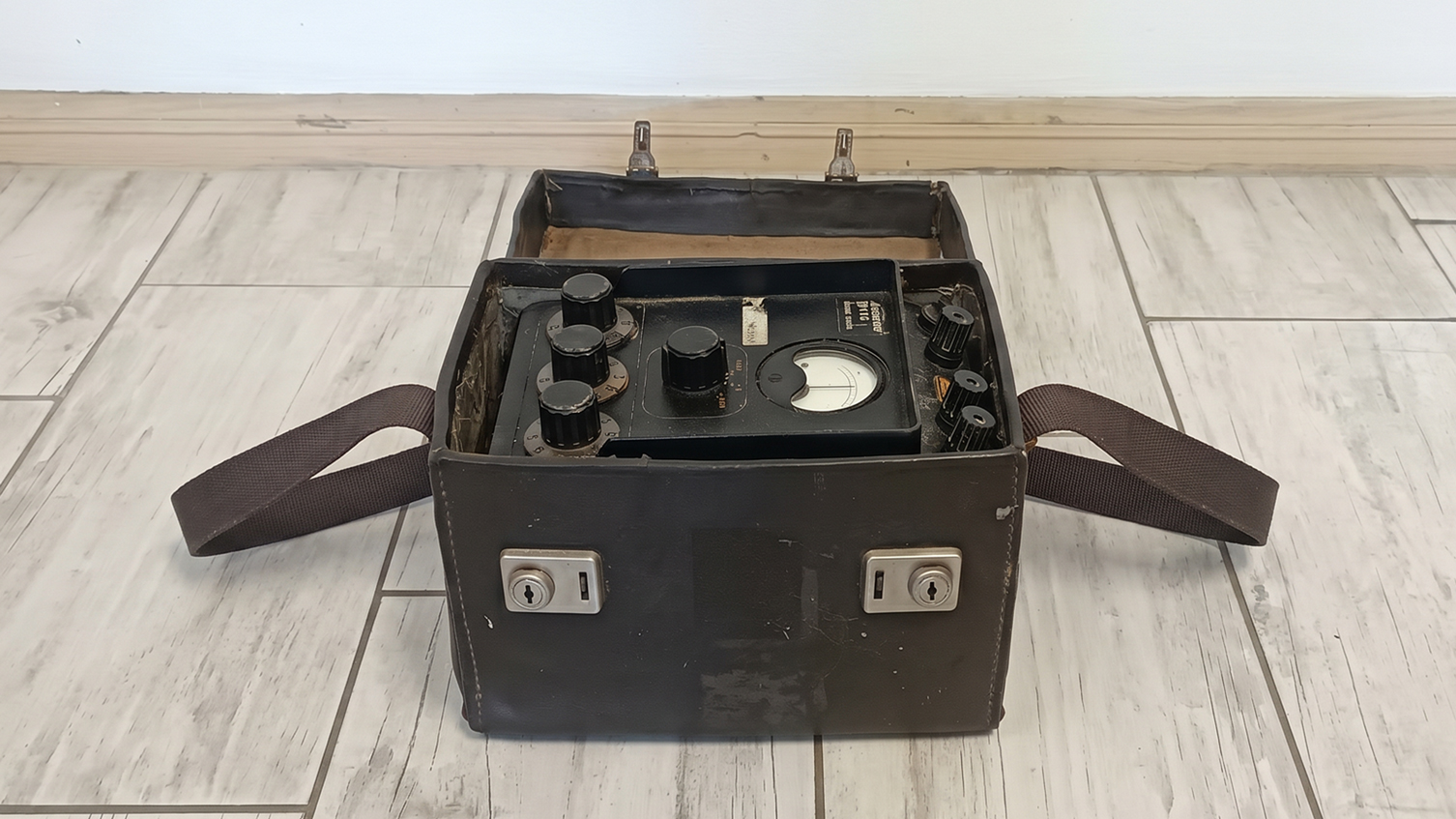
Our HVC installations are engineered from first principles. Every project begins with a proper risk assessment, followed by a system design that accounts for your specific building geometry, roof type, and site conditions. Installation is carried out by trained specialists, and every completed system is tested and certified to SANS standards.
When you choose HHK, you are not just buying a product. You are partnering with the team that helped write the standards your system is certified against.
Protect Your Property the Smart Way
If you own or manage a thatched property, a game lodge, an upmarket estate, or any building where conventional lightning protection masts are simply not acceptable, HVC may be exactly what you have been looking for.
Contact your nearest HHK branch. Our specialists will assess your property, explain your options, and design a system that protects without compromise — compliant, certified, and completely at home on your building.